Quick answer
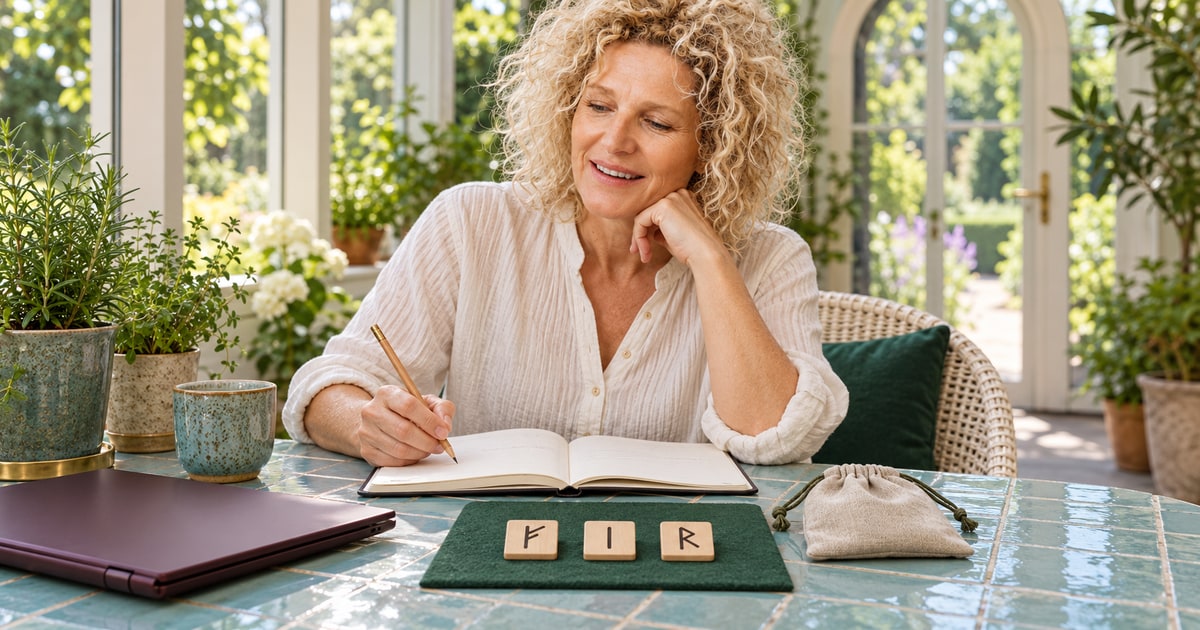
One three-rune layout uses one question, three runes drawn blind and laid left to right, read as the situation, the obstacle (or what you are not seeing), and a direction. You can set aside about ten minutes with a notebook and use it as a reflective exercise, not a forecast. The full method, with spreads and journaling, is in learn how to read runes; the 24 meanings are in what are runes.
Some readers bring a spiritual or intuitive intention to this pause; others use it mainly for journaling. You can value the symbols personally while keeping the meaning you give them separate from a guaranteed answer about your future.
The three positions
1 (left)
- What it stands for
- The situation as it is
- Question to ask
- What does this rune’s theme say about where I actually am?
2 (middle)
- What it stands for
- The obstacle, or what you are not seeing
- Question to ask
- What is in the way, or what have I been avoiding?
3 (right)
- What it stands for
- A direction, or advice
- Question to ask
- Given 1 and 2, what does this rune suggest I do next?
Some readers lay the runes right to left, or read them as past, present and direction. The order matters less than keeping the same convention every time.
A worked example
This fictional example shows one way to interpret the positions. It is not a report of a tested reading or advice to leave a job.
Question: “What am I not seeing about whether to go freelance?”
- Position 1: Fehu (wealth, resources). First impression: “the money question is louder than I admit.” A modern reflective association adds: wealth that must move to be useful. Note: “I have savings I am treating as untouchable.”
- Position 2: Isa (ice, standstill). First impression: “I have been frozen on this for a year.” A modern reflective association: stillness, waiting, a pause that may be needed or may be avoidance. Note: “the waiting has stopped being sensible and become a habit.”
- Position 3: Raidho (journey, the right order). First impression: “take it in steps.” A modern reflective association: movement, the correct sequence. Note: “one client on the side before I resign, not a leap.”
Action for the week: price one freelance project and ask one former colleague whether they would hire me. The example uses symbols to prompt questions, not to establish whether freelancing will succeed. A real decision would need practical information about finances, contracts, responsibilities and options, with qualified advice where appropriate.
Names and interpretations are different layers. The National Museum of Denmark’s rune-name list includes reconstructed older names associated with cattle/wealth, ice and riding. The resources, standstill and step-by-step associations in this example are modern reflective interpretations, not word-for-word ancient instructions for a three-rune spread.
Doing it yourself
- Write the question at the top of a page before touching the bag.
- Draw one rune at a time, place it without turning it, and write two lines before drawing the next.
- Only then look up the meanings, and note where they add something.
- Finish with one action. Close the bag; no redraws.
- Later, note whether the exercise helped you think, including uncertainty or unhelpful interpretations. Personal usefulness does not establish predictive accuracy.
Choose materials you can handle comfortably and symbols you can read clearly. Wood, stone or crystal can be a personal preference; the material cannot verify an interpretation or guarantee protection. Keep ordinary evidence in charge of decisions that affect your health, money or safety.
Keep the exercise low-stakes
Finish when your planned time is up rather than redrawing until you feel reassured. Stop if readings increase fear or compulsive checking. Do not use a cast to diagnose illness, change treatment, invest money or judge whether someone is safe.
Frequently asked questions
1. What do the three rune positions mean?
In this example they mean situation, obstacle and direction. Other readers use different layouts; choose the convention before drawing and keep it consistent.
2. Do I have to read runes from left to right?
No. Left to right is a convenient convention here, not a requirement shared by every practice. Write down your order first so you do not change it to fit a preferred answer.
3. Is the freelance reading a real case?
No. It is a fictional worked example illustrating how symbols can prompt questions. It is not firsthand testing, a prediction or a recommendation to leave a job.
4. What if I dislike the runes I draw?
Record your reaction without assuming the draw warns of danger. Avoid repeated redraws for reassurance, and stop if the exercise becomes distressing. Use practical evidence and professional advice for consequential choices.
The detailed explanation of rune meanings and their applications in life scenarios is educational. It shows a practical side to what might otherwise be considered purely mystical.
The recommendation to find a personal connection with your set of runes is insightful. Personal resonance likely enhances the effectiveness of divination practices.
The methodology for doing a 3-Rune reading is clearly outlined. It appears to be a structured way to gain insight into personal quandaries.
Meditation before a rune reading seems to be emphasized for clarity. This parallels with other practices that involve grounding oneself before seeking answers.
Taking time to connect internally before engaging in any divination practice might enhance the overall experience.
The integration of runes with other divination tools like tarot cards suggests a versatile approach to spiritual guidance.
Indeed, combining various tools could potentially offer a more comprehensive understanding of one’s life situations.
The step-by-step guide for a 3-rune reading is quite clear. Meditation before starting seems to be a crucial part of the process.
I appreciate the detailed explanation on the symbolic and phonetic aspects of runes. This adds depth to the understanding of their spiritual significance.
The historical context of runes provided in the article is quite enriching. It’s interesting to see how ancient practices can find relevance in modern times.
The history and usage of runes as described here are fascinating. Understanding their cultural significance adds depth to their use in modern times.
Indeed, the cultural heritage behind runes provides a rich context that enhances their mystical applications.
It’s also notable how such ancient practices continue to find relevance in contemporary spirituality.
The comparison between runes, oracle cards, and tarot cards invites further exploration. Each tool seems to offer unique insights.
Yes, it raises the question of how these different tools complement or differ from each other in practice.
The notion of carrying runes for protection is fascinating. It reminds me of other cultural talismans and their perceived powers.
This article provides a comprehensive guide to understanding runes for divination. It’s interesting how different cultures have unique methods for seeking guidance.